GI Division Research ProgramCEDIA
Center for Endoscopic Data Integration and Analysis
At CEDIA, our research aims to advance the prevention, diagnosis, and treatment of gastrointestinal cancer, through rigorous clinical research, AI development, and data-driven innovation at one of Canada's leading GI research units.
Videotheque
One of the world's most comprehensively annotated endoscopy datasets.
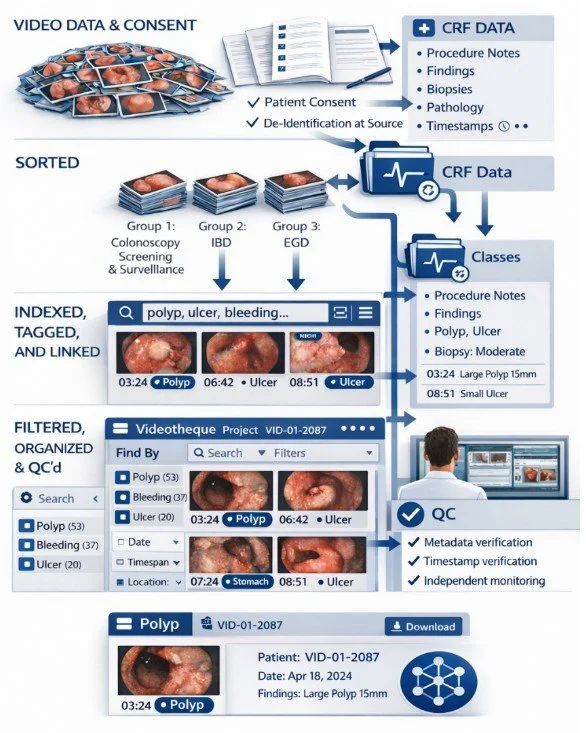
CEDIA hosts one of the largest prospectively collected, expert-annotated endoscopy video datasets in the world. The Videotheque brings together over 10000 complete procedure recordings, colonoscopies and upper GI endoscopies, each linked to structured clinical, procedural, and histopathology data captured in real time by dedicated research staff present during every procedure. Every video is paired with timestamped lesion annotations, optical diagnoses, and pathology results, making it uniquely suited for training and validating AI models, as well as supporting rigorous clinical outcomes research. Built on FAIR data principles and governed under a robust ethics framework, the Videotheque is a research-grade infrastructure designed to power the next generation of endoscopy AI.
Colorectal Cancer Prevention
Prevention of colorectal cancer is a central focus of our research activities. The Colorectal Cancer Prevention Program seeks to optimize colorectal cancer screening and surveillance strategies through high-quality endoscopic techniques.
We collaborate with national and international research networks to identify best practices in endoscopy, evaluate new technologies and techniques, and ensure quality benchmarks are met across institutions. Our work includes large-scale studies assessing detection rates, optical diagnosis performance, surveillance interval strategies, and training methods.
Several funded initiatives from the Canadian Institutes of Health Research, American Society for Gastrointestinal Endoscopy, and Canadian Association of Gastroenterology support this program. It aims to generate impactful, practice-changing evidence to advance colorectal cancer prevention at a population level.
Clinical Research
Rigorous trials.
Real-world impact.
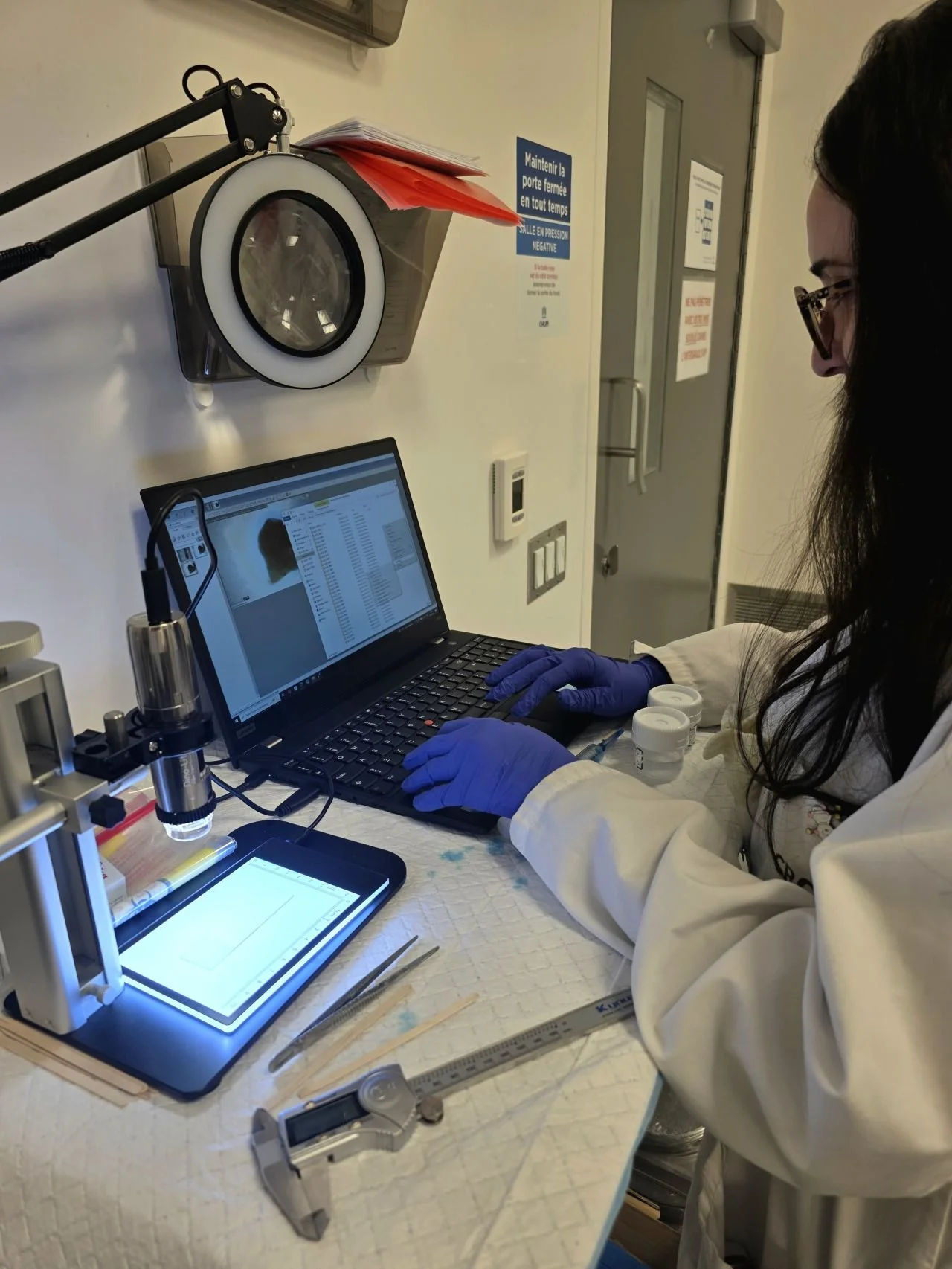
We run prospective studies and randomised controlled trials across endoscopic procedures, collecting structured clinical data to answer the questions that matter most from procedural safety and resection outcomes to long-term patient follow-up.
With thanks to our funding agencies